Payment Pathways Linking Game Developers to Mobile Progressive Wins
Harper Berger · Aug 23, 2026
Payment Pathways Linking Game Developers to Mobile Progressive Wins
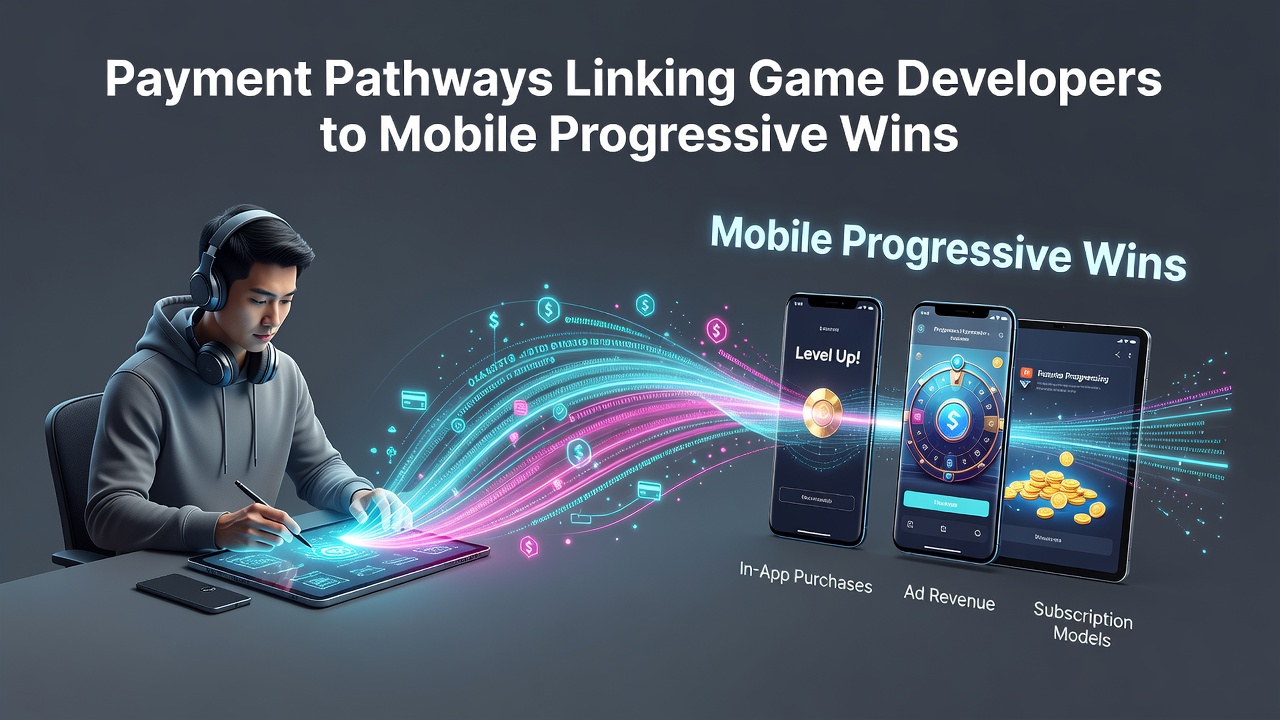
Payment pathways in mobile progressive jackpot environments connect game developers directly to revenue streams generated through player deposits and prize distributions, with these systems relying on integrated processors that handle real-time transactions across app stores and third-party gateways. Data from industry reports show that developers receive shares of progressive pools once contributions from multiple devices accumulate into shared jackpots, and these flows depend on secure APIs that verify each deposit before allocating portions to the central prize fund.
Core Mechanisms of Transaction Routing
Game developers integrate payment gateways such as those provided by Apple App Store and Google Play to capture initial player funds, after which specialized processors route percentages into progressive meters that span global player bases. Research indicates that in August 2026 several regional frameworks will require enhanced verification layers for cross-border transfers, and this change affects how developers receive their allocations from mobile wins because new compliance checks must clear before funds reach developer accounts. Observers note that systems like direct carrier billing allow seamless deductions from phone balances in regions where traditional cards see lower adoption, while e-wallets and bank transfers complete the loop by delivering payouts back to winning players and simultaneously crediting developer revenue accounts.
Integration Points Between Developers and Processors
Developers embed SDKs from payment providers into their mobile titles so that every spin or bet contribution automatically feeds the progressive pool without manual intervention, and these same SDKs trigger instant notifications when a jackpot triggers. Figures reveal that processors such as those certified under PCI DSS standards manage encryption for card data while maintaining audit trails that regulators review during licensing renewals. Those who have examined transaction logs find that revenue splits often allocate 60 to 80 percent of net gaming revenue back to developers once platform fees and jackpot contributions are subtracted, yet the exact percentages vary by contract and jurisdiction.
Regional Variations in Payment Handling
Payment handling differs across markets because regulators impose distinct rules on how mobile funds move from players to developers. In Canada, iGaming Ontario oversees operator licensing that includes specific requirements for progressive jackpot accounting, and similar oversight exists through bodies like the Malta Gaming Authority in Europe where developers must demonstrate clear separation between player balances and operational funds. Australian Communications and Media Authority guidelines further require transparent reporting of jackpot contributions, which forces developers to maintain detailed records that link each mobile transaction to the overall pool growth. What's interesting is that these regional systems still converge on common technical standards that allow a single game title to operate across borders while respecting local payout timelines.
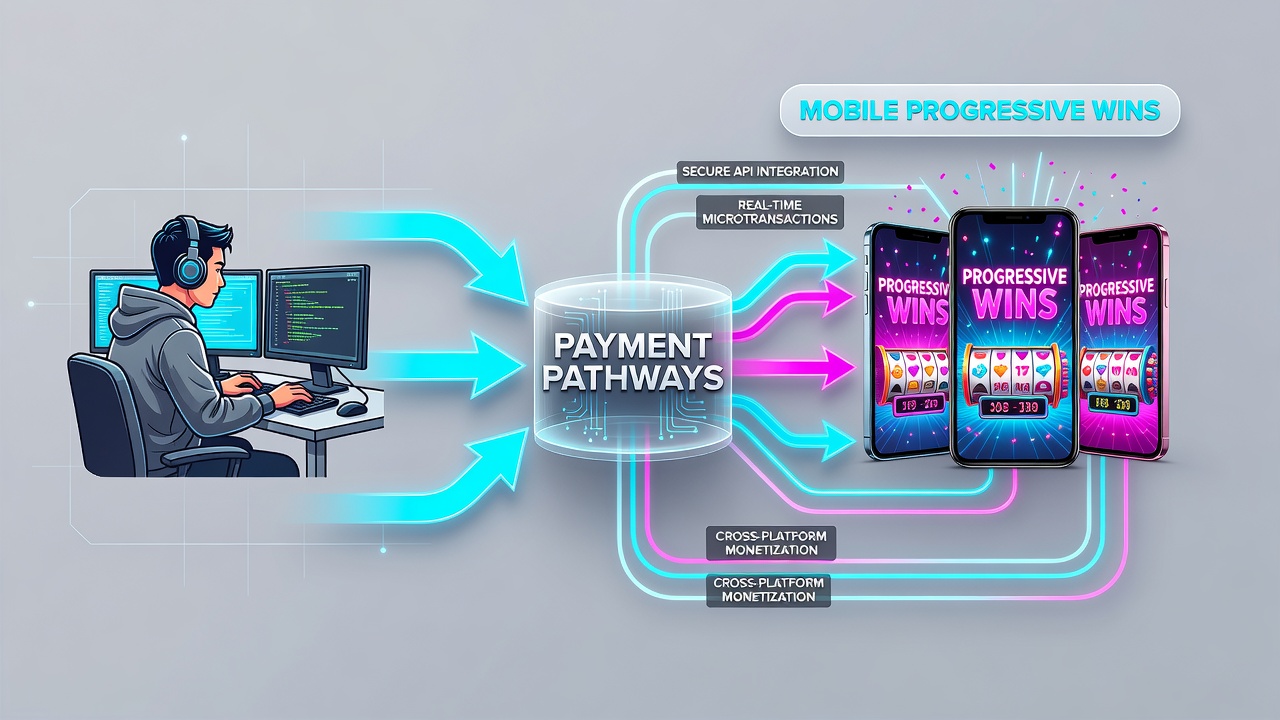
One study released by the European Gaming and Betting Association examined transaction volumes during 2025 and found that mobile progressive titles accounted for rising shares of total iGaming revenue, with payment success rates improving when developers adopted multi-processor redundancy. Researchers discovered that fallback gateways prevent transaction failures during peak play periods, and this redundancy directly supports consistent funding of progressive meters because missed contributions would otherwise stall jackpot growth.
Security and Compliance Layers
Security protocols require developers to implement tokenization so that sensitive payment details never reside on game servers, and compliance audits verify that these tokens map correctly to actual transactions. Data shows that breaches remain rare when certified processors handle routing, yet regulators continue to update standards as new threat vectors emerge. In practice, developers coordinate with security firms to test payout pathways before launching titles that feature accumulating jackpots, and successful tests confirm that both player wins and developer shares reach their destinations without delay or error.
Future Adjustments Expected by August 2026
By August 2026, several jurisdictions plan to enforce stricter real-time reporting of progressive contributions, and developers are already updating their backend systems to meet these demands. Reports from academic sources at institutions studying digital economies highlight that automated reconciliation tools will become standard, allowing instant matching of player deposits against pool allocations. Such tools reduce reconciliation delays that previously extended settlement periods for developers waiting on revenue from mobile wins.
Conclusion
Payment pathways that link game developers to mobile progressive wins operate through layered processors, regional regulators, and technical standards that together ensure accurate collection and distribution of funds. Evidence from multiple oversight bodies demonstrates that these systems continue to evolve in response to new compliance requirements and technological improvements. Those who track industry metrics observe steady growth in transaction volumes as more players engage with mobile titles that feature shared jackpots, and the infrastructure supporting these flows remains a central element of sustainable game development.