Decoding Synergies Between Live Interaction Timings and Secure Funding Options for High-Stakes Reel Pursuits
Viktor Hughes · Sep 2, 2026
Decoding Synergies Between Live Interaction Timings and Secure Funding Options for High-Stakes Reel Pursuits
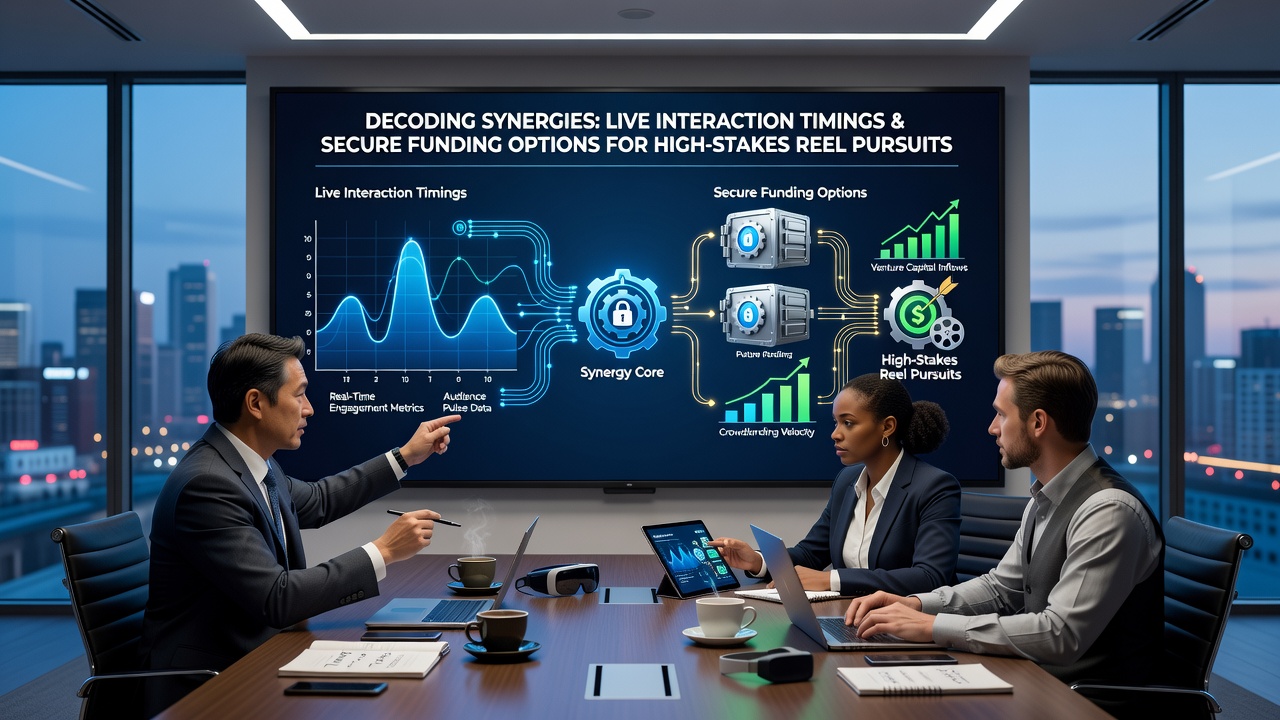
High-stakes reel pursuits require precise alignment between live interaction timings and secure funding mechanisms because delays in either area can disrupt session continuity while rushed processes sometimes expose vulnerabilities in verification layers. Observers note that platforms coordinating real-time chat responses from live dealers with instant verification of deposits create measurable advantages in player retention metrics according to industry tracking data. Research from multiple jurisdictions shows that when live timing windows for dealer confirmations match the settlement speeds of chosen payment rails, overall throughput in high-limit reel sessions increases without compromising security protocols.
Live Interaction Timings in Multi-Provider Reel Settings
Live dealer interfaces for reel games operate on synchronized clocks that govern everything from bet acceptance windows to result reveal sequences while players simultaneously manage funding actions in adjacent panels. Data indicates that a typical high-stakes reel round allows between four and seven seconds for live confirmation responses before the system advances to the next spin cycle. Those who have analyzed platform logs find that timing mismatches often occur when funding verification queues exceed the live round duration and force players into paused states. Experts have observed that platforms using automated pre-authorization for known high-roller accounts reduce these interruptions by aligning verification latency with the natural pacing of live reel cycles.
Secure Funding Pathways and Their Temporal Demands
Secure funding options range from instant bank transfers and e-wallet authorizations to tokenized card systems that require multi-factor confirmation steps before releasing high-value amounts to reel wallets. Figures from regulatory filings reveal that average processing times for verified accounts now sit below three seconds in several major markets yet still vary significantly across providers. Researchers discovered that options incorporating biometric checks or hardware token validation add between one and four additional seconds yet deliver higher fraud resistance scores in independent audits. When these funding pathways integrate directly with live session APIs, the combined timing becomes a single measurable variable that platforms track through dedicated dashboards.
Integration Patterns Observed Across Markets
Platforms that embed funding status indicators directly into the live dealer view allow players to monitor both interaction timers and deposit progress within one interface rather than switching screens. Studies conducted across North American and European operators demonstrate that such unified displays correlate with fewer abandoned high-stakes sessions during September 2026 reporting periods. Data released that month by the Pennsylvania Gaming Control Board highlighted a 12 percent rise in average bet sizes among accounts using synchronized timing tools compared with those relying on separate payment portals. Similar patterns appear in reports from the Australian Communications and Media Authority where integrated systems reduced average funding-related pauses by nearly half.
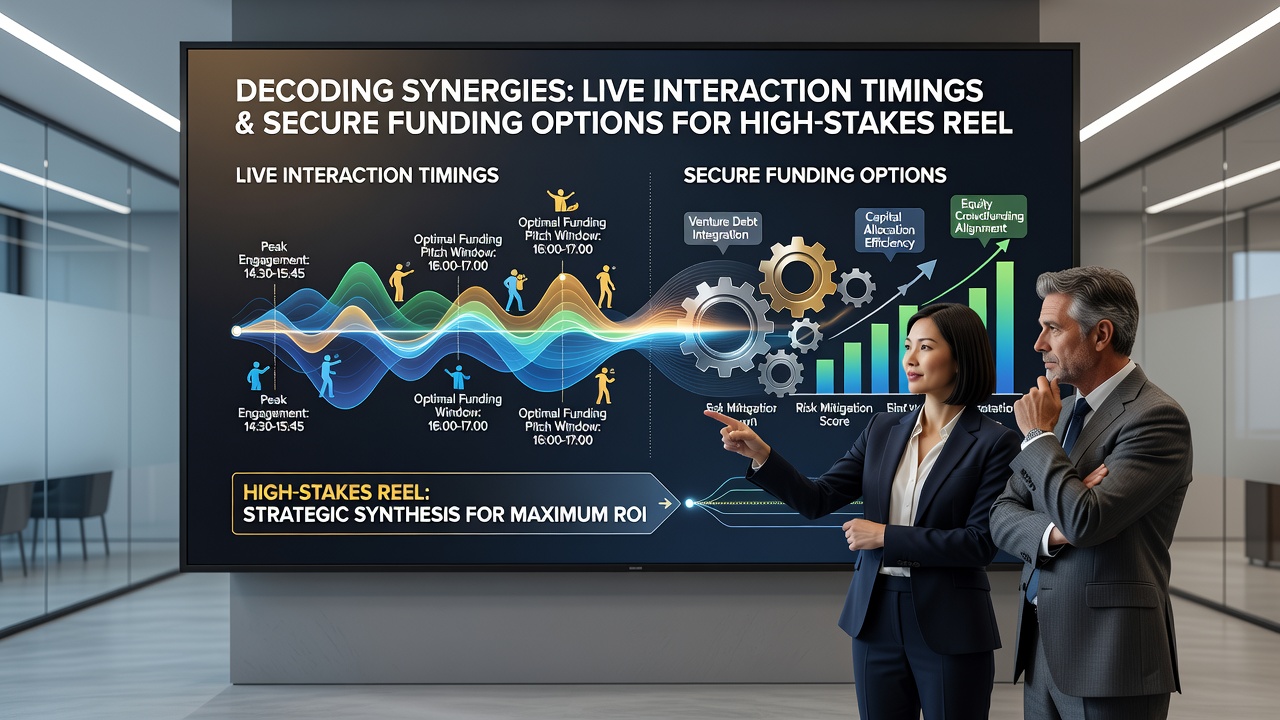
One documented case involved a multi-provider ecosystem that linked live dealer APIs to an instant bank transfer service and recorded a measurable drop in session fragmentation once the two timing systems shared a common heartbeat signal. Observers note that the change allowed high-stakes players to complete deposits inside the same four-to-seven-second window used for live bet confirmations without triggering additional security layers mid-round. Another example from Canadian operators showed that pre-staged funding approvals for recurring high-limit sessions produced consistent alignment between live interaction cycles and payment settlement without requiring repeated user input.
Regulatory and Technical Frameworks Supporting Alignment
Technical standards published by the Malta Gaming Authority emphasize the need for real-time status sharing between live game engines and payment gateways so that funding events do not desynchronize reel cycles. Compliance documentation from that jurisdiction outlines specific latency thresholds that operators must meet when handling high-value transactions during live play. Parallel guidance issued by the New Jersey Division of Gaming Enforcement requires platforms to log both live interaction timestamps and funding verification events in unified audit trails for high-stakes accounts. These overlapping requirements have driven development of middleware solutions that translate timing data between live dealer software and secure payment processors while preserving encryption standards.
Future Developments in Synchronized Systems
Industry reports project continued refinement of timing protocols as more operators adopt 5G-enabled mobile environments that reduce network latency for both live video feeds and payment authorizations. Research indicates that emerging tokenization methods will further compress verification windows while maintaining compliance with anti-money laundering checkpoints. Platforms testing these combined systems in controlled environments during late 2026 recorded additional throughput gains when live interaction timers and funding confirmations operated from a shared synchronization server. Observers continue to track whether these technical alignments translate into sustained operational improvements across varied regulatory landscapes.
Conclusion
The relationship between live interaction timings and secure funding options forms a measurable operational layer in high-stakes reel environments where synchronization directly affects session flow and compliance records. Data from multiple regulatory bodies shows that platforms achieving tighter integration between these two domains record higher continuity metrics without sacrificing verification integrity. Continued technical evolution in this area depends on shared standards that respect both live pacing requirements and security mandates across jurisdictions.